
Essential Guide to Pool and Spa Inspections in San Diego
Owning a pool or spa in San Diego offers a wonderful way to relax and enjoy the beautiful weather. However, maintaining these water features requires regular inspections to ensure safety, functionality, and compliance with local regulations. Whether you are buying a home with a pool, preparing for the summer season, or simply want to keep your investment in top shape, understanding the pool and spa inspection process is crucial.
This guide covers everything you need to know about pool and spa inspections in San Diego, including what inspectors look for, common issues, and tips to prepare for an inspection.
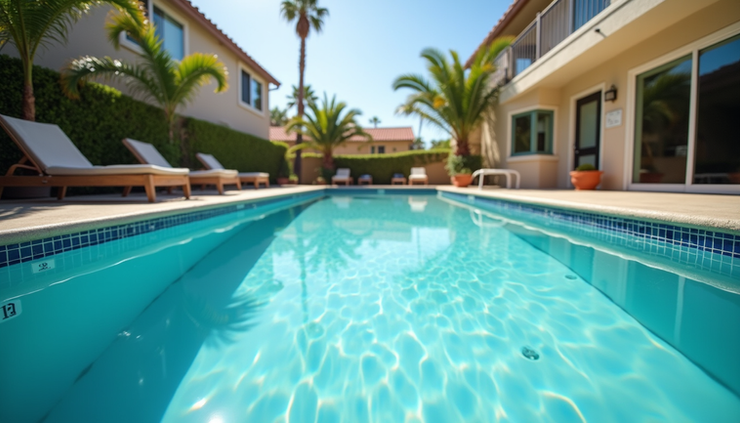
Residential pool in San Diego showing clear water and well-maintained deck area
Why Pool and Spa Inspections Matter in San Diego
San Diego’s climate encourages outdoor living, making pools and spas popular features in many homes. However, these water systems can pose safety risks and costly repairs if not properly maintained. Inspections help identify:
Safety hazards such as faulty fencing, broken gates, or malfunctioning safety covers.
Mechanical issues including pump failures, leaks, or electrical problems.
Water quality concerns that could lead to health risks.
Compliance with local codes to avoid fines or legal issues.
Regular inspections protect your family, guests, and property value by catching problems early.
What Inspectors Check During a Pool and Spa Inspection
A thorough inspection covers multiple aspects of the pool and spa system. Here are the main areas inspectors focus on:
Structural Integrity
Inspectors examine the pool shell, spa basin, decks, and coping for cracks, chips, or signs of wear. In San Diego, ground movement and soil conditions can affect pool structures over time.
Safety Features
California law requires specific safety measures around pools and spas. Inspectors check for:
Proper fencing that meets height and gap requirements.
Self-closing and self-latching gates.
Pool alarms or safety covers.
Anti-entrapment drain covers to prevent accidents.
Equipment and Mechanical Systems
The inspection includes pumps, filters, heaters, chlorinators, and electrical components. Inspectors verify that:
Equipment operates efficiently and safely.
Electrical wiring is up to code and grounded.
There are no leaks or corrosion in pipes and fittings.
Water Quality and Circulation
Water clarity, chemical balance, and circulation are essential for safe swimming. Inspectors may test:
pH levels and sanitizer concentration.
Filtration system effectiveness.
Signs of algae or bacterial growth.
Plumbing and Drainage
Proper drainage prevents water damage and erosion around the pool area. Inspectors look for:
Functioning drains and skimmers.
Proper slope and runoff away from the pool.
No blockages or leaks in plumbing lines.
Common Issues Found in San Diego Pool and Spa Inspections
Understanding typical problems can help you prepare for an inspection or identify maintenance needs early.
Cracked pool plaster or tiles due to soil shifting or age.
Faulty pool gates or fencing that do not meet safety codes.
Pump or filter failures from wear or lack of maintenance.
Electrical hazards such as exposed wiring or outdated breakers.
Poor water circulation causing cloudy water or algae buildup.
Leaking pipes or fittings leading to water loss and higher bills.
Addressing these issues promptly can save money and prevent accidents.
How to Prepare for a Pool and Spa Inspection in San Diego
Preparation helps the inspection go smoothly and increases the chances of passing without costly repairs.
Clean the pool and spa thoroughly before the inspection. Remove debris, scrub surfaces, and balance water chemicals.
Clear the area around equipment for easy access.
Check safety features like gates and alarms to ensure they work properly.
Gather maintenance records if available. This shows the inspector you have cared for the pool.
Fix minor issues such as broken tiles or leaking fittings ahead of time.
If you are buying a home, consider hiring a certified pool inspector who knows San Diego’s local codes and climate challenges.
Choosing the Right Pool and Spa Inspector in San Diego
Not all inspectors have the same level of expertise. Look for professionals who:
Are licensed and insured.
Have experience with San Diego pools and spas.
Provide detailed written reports with photos.
Offer clear explanations and recommendations.
Have positive reviews or referrals.
A good inspector helps you understand the condition of your pool and spa and guides you on necessary repairs or upgrades.
Benefits of Regular Pool and Spa Inspections
Scheduling inspections annually or before major use seasons offers several advantages:
Improved safety for swimmers and guests.
Early detection of problems reduces repair costs.
Better water quality and enjoyment.
Compliance with local regulations avoids fines.
Extended lifespan of pool equipment and structure.
Regular inspections are an investment that protects your property and peace of mind.


Comments